Comprehensive Guide to Damp & Mould
Damp and mould are two of the most common issues faced by homeowners, landlords, and tenants in the UK. Left untreated, they can cause long-term structural damage, reduce the value of a property, and create serious health risks. This comprehensive guide explains what damp and mould are, how to recognise the signs, the dangers they pose, and the most effective solutions for dealing with them.
What Is Damp?
Damp is caused by excess moisture within a building. This can come from leaks, condensation, rising moisture from the ground, or penetrating water through damaged walls and roofs. The four main types of damp are:
- Condensation – the most common form, usually appearing on cold surfaces such as windows and walls, particularly in winter.
- Rising damp – occurs when moisture travels up from the ground into walls due to a lack of or failure in the damp-proof course.
- Penetrating damp – caused by water leaking through walls, roofs, or defective guttering.
- Flue damp – happens when disused or poorly ventilated chimneys and flues allow moisture to collect inside, often leaving damp patches around chimney breasts.
Understanding which type of damp you are dealing with is key to finding the right treatment.
What Is Mould?
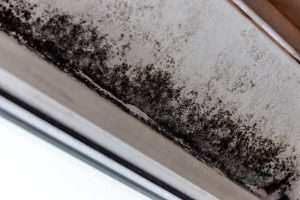
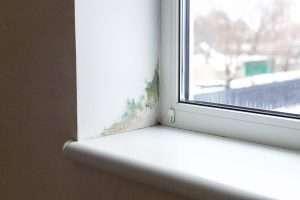
Mould is a type of fungus that thrives in damp, poorly ventilated conditions. It spreads through tiny spores that are invisible to the naked eye, and once mould takes hold, it can grow rapidly. Mould often appears as black, green, or white patches on walls, ceilings, and around window frames.
It not only looks unsightly but also signals that there is a bigger underlying damp or moisture issue in the property that needs to be addressed.
Common Signs of Damp and Mould
Knowing what to look for can help you catch the problem early. Some key warning signs include:
- Musty or earthy smells in certain rooms.
- Dark patches, peeling wallpaper, or bubbling paint on walls.
- Condensation on windows, especially in the mornings.
- Black mould growth on walls, ceilings, and around windows.
- Damp or rotting skirting boards and floorboards.
- Staining or patches of damp around chimney breasts, often linked to flue damp.
If you notice any of these, it is important to act quickly to prevent the problem worsening.
Why Damp and Mould Are a Problem
The risks of damp and mould go beyond cosmetic damage.
- Health issues – Mould releases spores that can trigger asthma, allergies, and respiratory problems. Young children, the elderly, and those with existing health conditions are especially vulnerable.
- Property damage – Prolonged damp weakens plaster, timber, and masonry, leading to costly repairs.
- Reduced property value – Homes with visible damp and mould issues are harder to sell or rent.
With the introduction of Awaab’s Law in the UK, landlords now have stricter responsibilities to address damp and mould problems quickly to ensure safe living conditions.
How to Prevent Damp and Mould
Prevention is often easier and cheaper than treatment. Here are some practical steps:
- Improve ventilation with extractor fans in kitchens and bathrooms.
- Keep heating at a steady level to avoid cold surfaces where condensation forms.
- Dry clothes outside or use a tumble dryer, not radiators.
- Check gutters, downpipes, and roofs regularly for leaks.
- Ensure the property has a functioning damp-proof course.
- Keep chimneys and flues ventilated, even if they are no longer in use, to prevent flue damp.
Simple lifestyle changes can make a big difference, but persistent problems will need professional inspection and treatment.
Professional Solutions
When damp and mould have taken hold, professional help is essential. At Lancaster Damp Proofing, we provide:
- Specialist damp surveys to identify the exact cause of the problem, including condensation, rising damp, penetrating damp, and flue damp.
- Effective treatments tailored to the type of damp present in your property.
- Long-term prevention strategies, such as basement waterproofing, improved ventilation systems, and chimney flue solutions.
By addressing the root cause rather than just the symptoms, we ensure your property remains healthy and protected for years to come.
Final Thoughts
Damp and mould are more than just minor inconveniences – they are serious issues that affect both your property and your health. The earlier they are identified and treated, the easier and more affordable they are to resolve.
Whether you are a homeowner concerned about mould on your walls, a landlord responsible for tenants, or planning to buy a property, a professional damp survey can give you peace of mind.
At Lancaster Damp Proofing, we have over 25 years of experience helping local homes and businesses tackle damp and mould effectively. If you’re worried about signs of damp or mould, contact our team today for expert advice and tailored solutions.