Understanding Awaab’s Law: What It Means for Landlords and Tenants
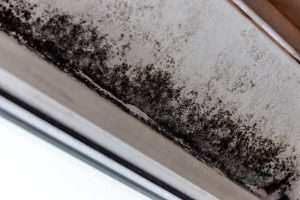
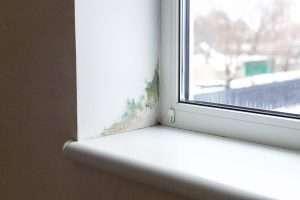
Awaab’s Law marks a major step forward in protecting tenants across the UK from unsafe and unhealthy housing conditions caused by damp and mould. Introduced in response to a tragic case that shocked the nation, this law places stronger legal obligations on landlords to take timely action when tenants report problems. In this guide, we’ll explain what Awaab’s Law is, why it was introduced, what it means for landlords and tenants, and how it impacts property maintenance and damp management.What Is Awaab’s Law?
Awaab’s Law is part of the Social Housing (Regulation) Act 2023, introduced after the death of two-year-old Awaab Ishak in 2020. Awaab died from prolonged exposure to mould in his family’s flat in Rochdale, despite repeated complaints from his parents to the housing association responsible for the property. The case highlighted serious failings in how landlords handled complaints about damp and mould — and led to widespread calls for change. Under Awaab’s Law, landlords now have strict deadlines to investigate and fix reported issues related to damp, mould, or other health and safety hazards in rented properties.What Does Awaab’s Law Require?
The Government has proposed clear timeframes for landlords to follow once a tenant reports a problem:- Investigate the issue within 14 calendar days.
- Provide a written summary of findings within 48 hours of the inspection.
- Begin repairs within seven calendar days of identifying a hazard.
- Complete all necessary repairs within a “reasonable period” — typically expected to be within 21 days of the initial report.
What Landlords Need to Do
Landlords and property managers now have a legal duty to stay proactive. Here’s what responsible landlords should do to comply with Awaab’s Law:- Carry out regular property inspections to spot early signs of damp or mould.
- Keep accurate records of all tenant complaints, inspections, and repair work.
- Act promptly when issues are reported — don’t wait for them to escalate.
- Work with professional damp specialists to diagnose and resolve root causes.
- Improve ventilation and insulation to reduce condensation and prevent recurrence.
What Tenants Should Know
Tenants also have a vital role to play under Awaab’s Law. If you notice damp, mould, or condensation in your home:- Report it in writing to your landlord or housing association immediately.
- Keep a record of your report and any responses or repairs.
- Allow access for inspections and repair work to be carried out.
- Comprehensive damp surveys to pinpoint the cause of moisture and mould.
- Targeted treatment plans for condensation, rising damp, penetrating damp, and flue damp.
- Professional reporting that helps landlords meet their obligations under Awaab’s Law.